Pilot Chicken — Crash Game by Spribe
Pilot Chicken is a crash-style game from Spribe, the studio behind Aviator — one of the titles that genuinely changed how people think about instant-win casino games. Launched in January 2026, it takes the same core mechanic everyone already knows: multiplier grows, player decides when to stop. But the execution here is different enough to matter.
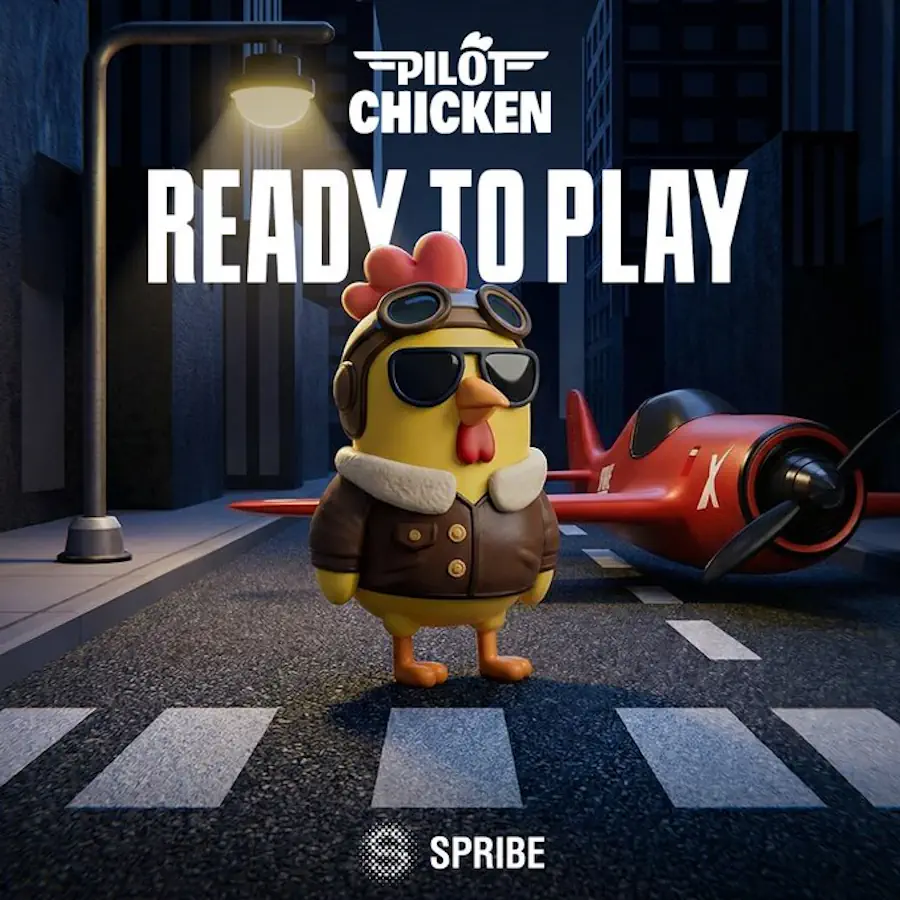
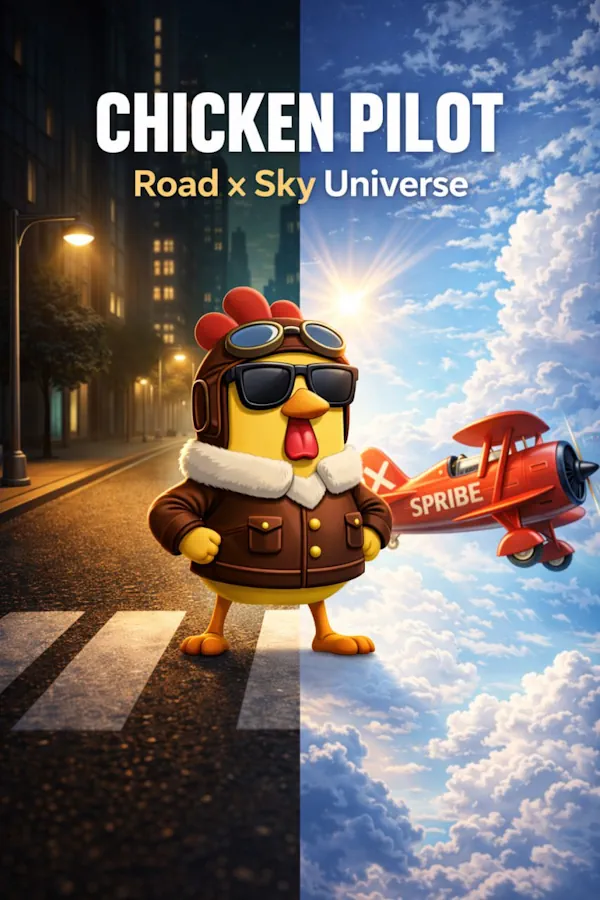
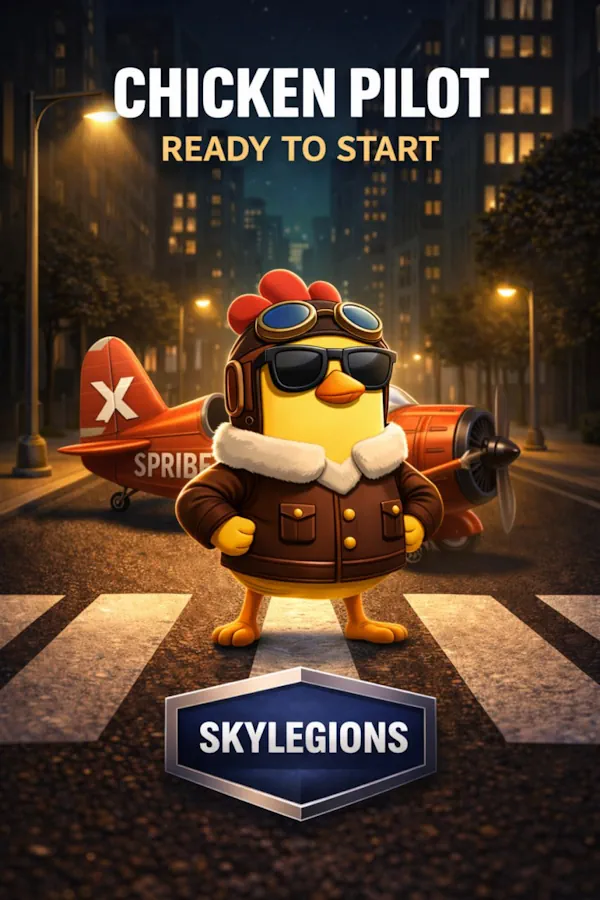
Instead of a climbing line on a graph, you get a chicken in aviator gear crossing an airport runway packed with planes in the middle of taking off. Every step forward pushes the multiplier higher. Every step also brings another plane closer. The tension is the same as Aviator — maybe sharper, because you’re watching a character move rather than a number increase. Sounds like a gimmick. In practice it changes how the game feels completely. Simple concept. Fast rounds. One decision that matters. That’s the whole thing — and that’s exactly why it works.
What the Game Is and How It Works
The basic idea: you place a bet, the chicken starts moving across the runway, and a multiplier grows with every step. Your job is to cash out before a plane knocks the bird over. Cash out in time — you win. Hesitate too long — you lose the whole stake. No reels, no paylines, no bonus symbols to keep track of. The outcome is determined by an RNG algorithm certified by Spribe, the same provably fair logic they use in Aviator and Mines. Every round is independent.
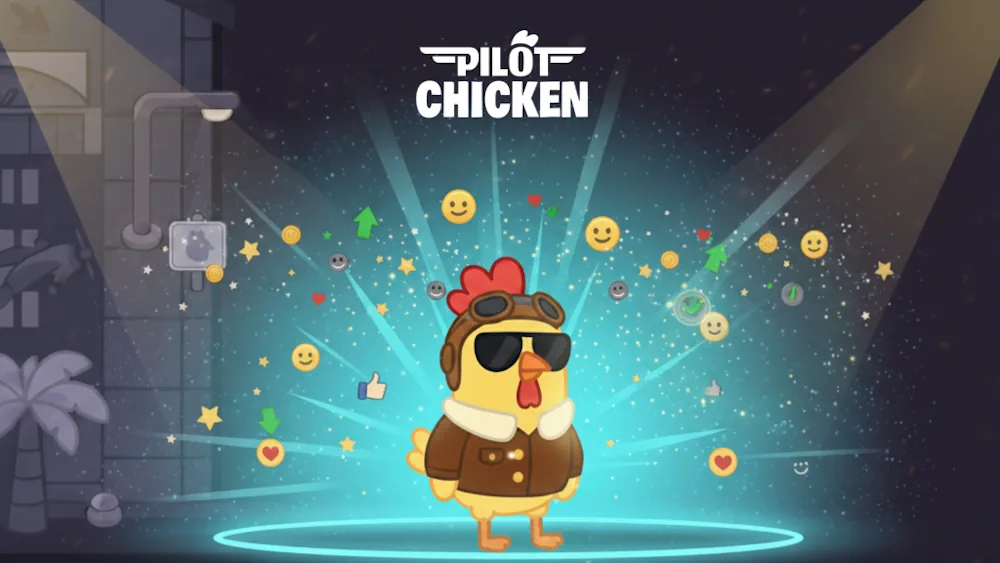
The previous result has zero effect on the next one — this is worth keeping in mind if you’re used to pattern-hunting in slots. What makes the game psychologically interesting is the control element. You’re not just watching reels spin. You’re making a decision in real time, every single round. That tension — go further or cash out now — is what keeps people coming back. By the way, Spribe designed this intentionally. The feeling of control is real, even if the math underneath is fixed.
Rounds are fast. We’re talking 10 to 30 seconds each. So the pace is constant, and downtime is basically nonexistent.
Game Characteristics — RTP, Bets, Multiplier
RTP sits at 99%. That’s high — genuinely high, not marketing-high. For reference, most video slots run between 94% and 96%, and plenty of popular titles sit even lower than that. A 99% return means the house edge is just 1%, which gives players significantly better long-term odds compared to most casino products. In practical terms: over a large number of rounds, you’re statistically getting back €99 for every €100 wagered.
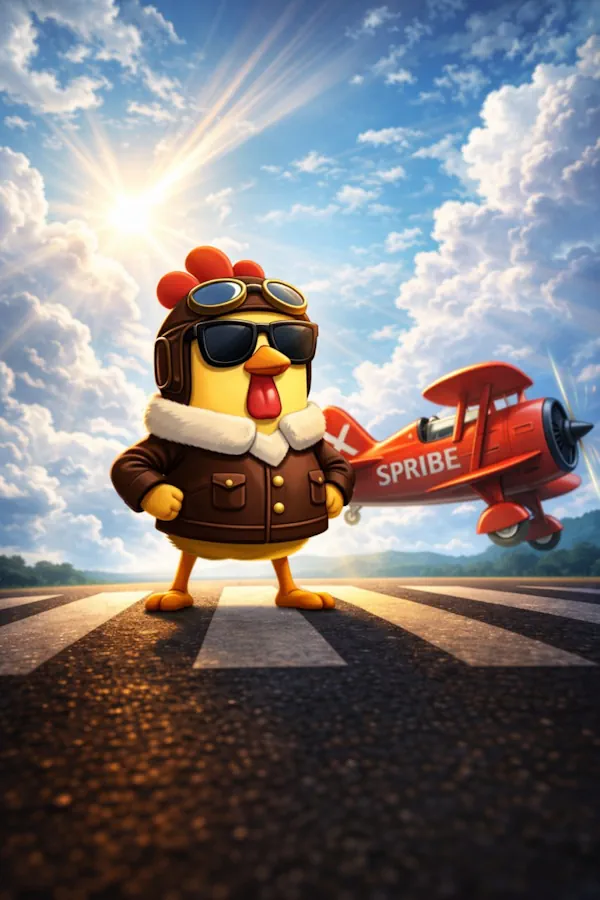
That doesn’t mean every session ends in profit — variance exists, and crash games can be brutal in short runs — but the math underneath is genuinely player-friendly compared to the industry average. Minimum bet is €0.10. Maximum is €100 per round. Those limits cover a wide range of playing styles — from someone testing the game with minimal exposure to a high-stakes player pushing serious money per round. The maximum possible win per round is €10,000, reached through the highest multiplier the game can generate — x1,000,000. In practice, hitting that multiplier is extremely unlikely.
The probability drops sharply as the chicken moves further across the runway, especially on hard mode. But the theoretical ceiling is there, and it’s reachable on medium and hard levels with any stake size. The multiplier itself starts from x1.05 on easy — modest, but consistent — and can grow into the thousands on hard. The exact range depends on which risk level you choose before the round starts. More on that in the next section.
Three Risk Levels
This is where Pilot Chicken gets more interesting than a standard crash game. There are three distinct modes, and they’re not just cosmetic — they change the actual multiplier range and the number of steps available per round.
- Easy mode runs from x1.05 to x25, across 15 steps. Low ceiling, but the chicken survives longer on average. Good for testing the game or grinding small, consistent returns.
- Medium mode goes from x1.3 to x1,000, across 20 steps. This is the sweet spot for most players. The risk is real, the multipliers are meaningful, and the jackpot (€10,000) is reachable here. Spribe themselves point to medium as the best balance between risk and reward.
- Hard mode. From x1.5 to x1,000,000, across 25 steps. The theoretical maximum is here. Getting to the end of 25 steps is extremely difficult — the probability drops sharply with each move forward. But the potential payout is absurd. Only play this with stakes you’re completely comfortable losing.
One practical note: the jackpot is only available on medium and hard. Easy mode caps out well below €10,000 regardless of stake size.
How to Start Playing
Getting into Pilot Chicken is straightforward. Go to a licensed casino that carries Spribe games, register an account, and head to the mini-games or turbo-games section — that’s where Spribe’s catalog usually lives, separate from the main slots lobby. Before starting a round, pick your bet size using the on-screen controls. Then choose your risk level. Once you hit “Bet”, the round begins and the chicken starts moving.
From that point, you have two options at every step: keep going, or hit “Cash Out” and lock in your winnings. If a plane hits the chicken before you cash out, the round ends and the stake is gone. There’s also an auto mode. You set a target multiplier in advance, and the game cashes out automatically when that number is reached. Useful if you find yourself hesitating too long in the heat of the moment — which happens more than most players expect. Minimum deposit to qualify is €10, and it unlocks freebets usable directly on Pilot Chicken. Worth entering during registration — the field is only active at sign-up, not after.
Mobile Version
No app to download. Pilot Chicken runs on HTML5, which means it opens directly in any mobile browser — Safari on iOS, Chrome on Android, whatever you’re using. The interface scales cleanly to smaller screens, and the controls are touch-optimized. In practice the mobile experience is basically identical to desktop. Bet controls, cash-out button, multiplier display — all readable and easy to tap.

Spribe built the game for mobile from the start, not as an afterthought. Rounds being 10 to 30 seconds long makes it natural for short sessions on the go — waiting for something, commuting, five minutes between meetings. One thing worth noting: browser-based play means you don’t need to update anything. The game loads current every time. No version conflicts, no storage used on your device.
Why Pilot Chicken and Not Other Crash Games
Fair question. Aviator exists. Mines exists. Plinko exists. Why this one?
A few things stand out. The risk level system is genuinely useful — most crash games give you one experience, here you’re choosing between three distinct mathematical models. That’s meaningful flexibility, especially if you play across different sessions with different goals.
The RTP at 99% is competitive even within Spribe’s own lineup. Some operators configure Aviator slightly below that depending on the market — Pilot Chicken holds at 99% consistently.
The theme works better than it sounds. A chicken crossing a runway full of planes is absurd, but it makes the mechanic more intuitive than watching a line go up on a graph. Each step forward feels like a decision with stakes, not just a number increasing. Players report stronger emotional engagement with this format — more tension, more satisfaction on a successful cash-out.
And it’s new. Released January 2026, Pilot Chicken hasn’t been around long enough to be everywhere yet. Early reviews average 4.8 out of 5 across roughly a hundred players, which is a strong start. The game hasn’t had time to get stale.
For anyone already familiar with crash mechanics — Aviator players especially — Pilot Chicken takes maybe one round to figure out. The transition is seamless. For complete newcomers, the demo mode on partner sites lets you play with virtual funds until the logic clicks. No deposit, no risk, full game experience.
Bottom line: it’s a well-built crash game with better-than-average RTP, meaningful risk customization, and a pace that fits both casual and serious play. The chicken is a gimmick that actually improves the experience. Not many games can say that.

